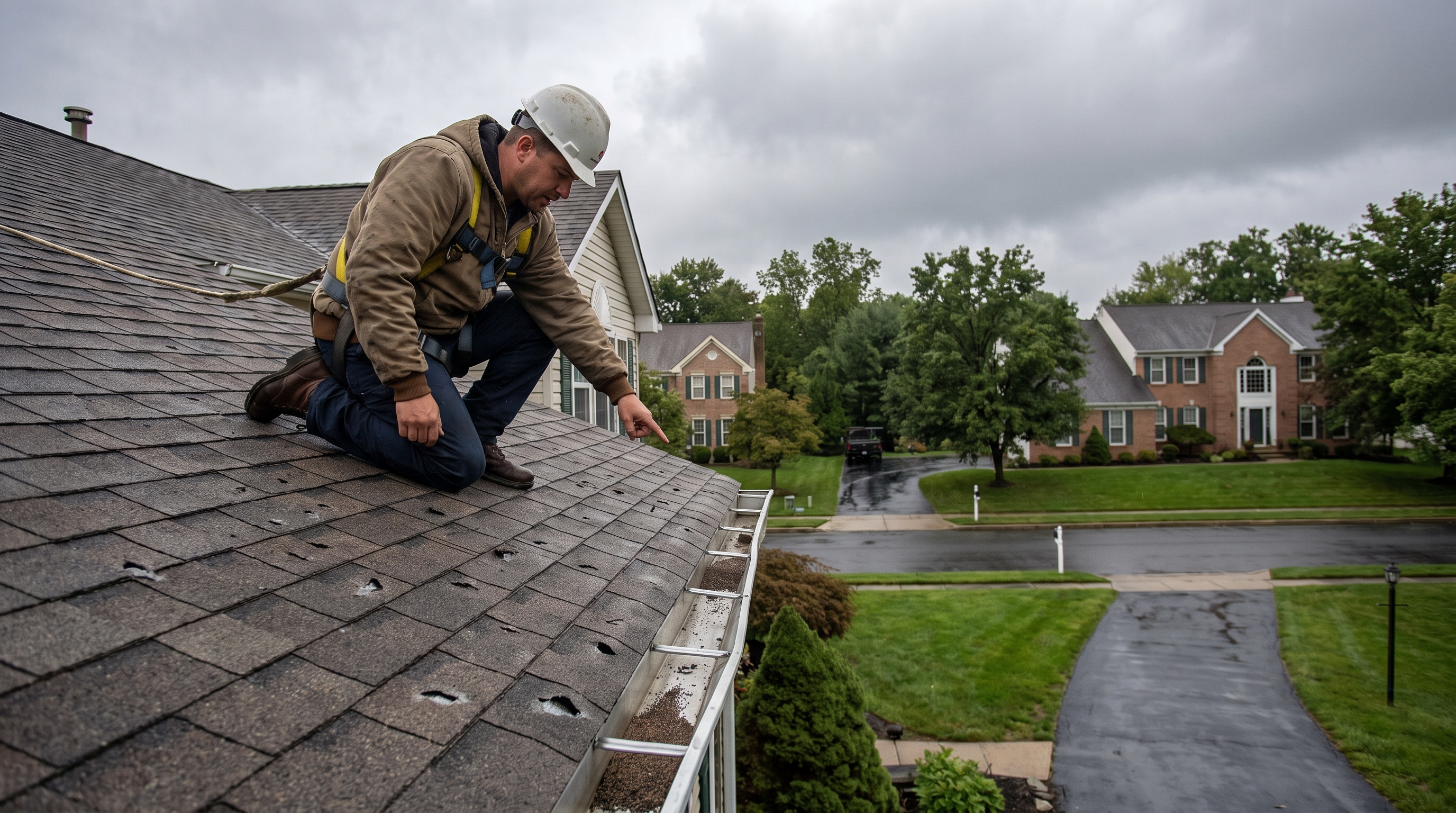
Cherry Hill metal component repair
Repair hail damaged roof metal in Cherry Hill
Metal dents can point to hail damage and expose weak spots around roof penetrations.
Cherry Hill metal component repair
Metal dents can point to hail damage and expose weak spots around roof penetrations.
Hail can dent metal roof components even when shingles show softer marks. Vents, pipe flashings, chimney caps, valley metal, drip edge, gutters, and HVAC caps can all show impact damage after a Camden County storm. Those components matter for two reasons. First, metal dents help confirm hail size, direction, and impact density. Second, damaged flashing or vent components can become leak points if the roof replacement leaves them in place. A new shingle system should not reuse metal that was dented, bent, cracked, or separated by storm impact. Cherry Hill homes with additions and porch roofs often have more flashing transitions than a simple roof shape. Sidewall flashing, step flashing, apron flashing, and low-slope edge metal need a close look before replacement. This is where a rushed inspection misses the details that cause callbacks. Metal component repair can be handled as part of the roof replacement or as a focused repair when the shingles do not need full replacement. The contractor documents each affected item, explains whether it affects water shedding, and includes it in the storm scope when insurance applies.

Metal repair focuses on roof accessories and flashing details that keep water out of the structure.
Roof vents, pipe boots, rain caps, and exhaust caps are checked for dents, cracks, separated seals, and loose fasteners. Damaged parts are repaired or replaced to reduce leak risk.
Step flashing, apron flashing, chimney flashing, drip edge, and valley metal are reviewed for storm damage and installation defects. Poor flashing can undermine a new roof.
Metal damage is photographed and tied to the hail assessment. These photos can support the broader roof claim and help carriers see the storm pattern.
The inspection does not stop at shingle faces. Vents, caps, flashing, and exposed metal are part of the roof system and part of the storm story.
Some metal dents are cosmetic, while others affect water shedding or seals. The contractor explains which items need replacement and why.
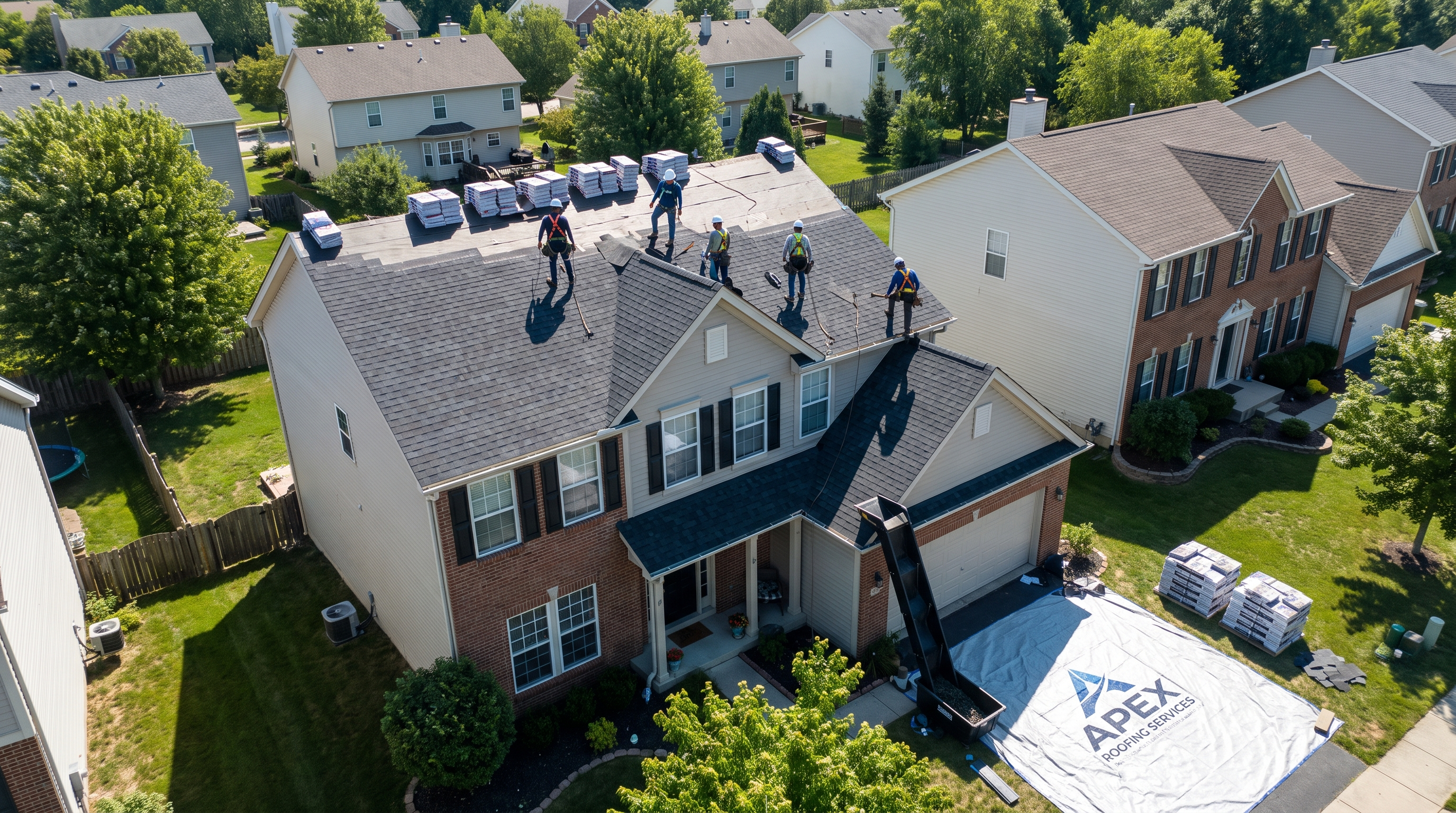
Have roof metal checked before a small dent turns into a missed claim item or a leak.
Free — no obligations
The contractor identifies vents, flashings, caps, edge metal, pipe boots, and other exposed roof metal.
Dents, cracks, loose seams, lifted flashing, and separated seals are photographed and matched to storm exposure.
Each item is marked for repair, replacement, or monitoring based on function and roof replacement scope.
Repaired or replaced components are tied back into the shingle system, flashing details, and waterproofing layers.